Alright, let’s cut to the chase—if you’re in the plumbing, heating, or renewable energy space, you’ve probably wrestled with shipping and transporting parts before. As a PERT fittings supplier, this is one of the top questions I get from new clients, and honestly? It’s way more nuanced than just “yes” or “no.” Let’s break this down with real-world, not-too-jargon-heavy takes, since I’d rather not talk at you like I’m reading a technical manual. PERT Fittings
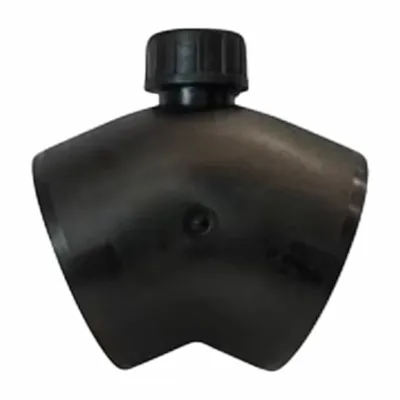
First off, what even are PERT fittings, for anyone who might’ve wandered in here late? PERT stands for Polyethylene of Raised Temperature resistance, right—these are plastic fittings used to connect PEX piping (the stuff that’s taken over residential and commercial plumbing for its flexibility and freeze resistance) in hot and cold water lines, underfloor heating, even solar setups. They’re way lighter than metal fittings, which is a big win for transport, but that’s not the only factor.
Let’s start with the easy parts that make PERT fittings a transporter’s (and supplier’s) best friend. For one, their weight is unbeatable. I once shipped a pallet of 1-inch brass fittings to a small plumbing company—same quantity of 1-inch PERT fittings? The pallet weighed like 40% less. That cuts down on freight costs in two ways: cheaper per-pound shipping, and less worry about weight limits on trucks or even delivery vans for local jobs. We’ve had a handful of clients who use these for on-demand job sites, not just bulk orders—they can grab a box of PERT fittings and toss it in their work truck without adding way too much dead weight, unlike metal parts that might make their truck sit too low or eat into fuel.
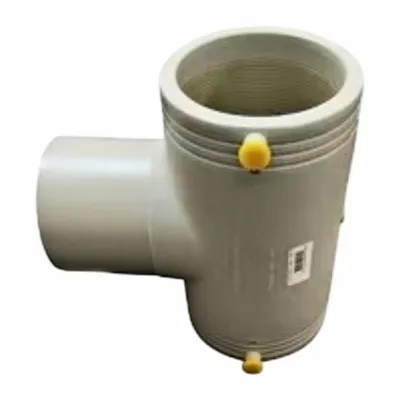
Then there’s their size and shape. Most PERT fittings are small—couplers, elbows, tees, all pretty compact. They stack like a charm, right? No weird protrusions, no sharp edges that mess up packaging or take up extra space. We package them in plastic bins or corrugated boxes with dividers, so they don’t shift during transport. I’ve seen metal fittings come in weird bulky crates because they’re rigid and heavy, but PERT fits into every nook and cranny of a standard shipping pallet. Last month, a client who does underfloor heating for new construction told me they fit 20% more PERT fittings per pallet than their old metal ones, which meant fewer truck trips for big jobs. That’s a huge win for logistics—less fuel, fewer delays, easier to coordinate deliveries.
Wait, but hold on—this isn’t all sunshine and rainbows. There are some transport headaches that come with PERT fittings, and as a supplier, I’ve had to work through these with my own team and clients. The biggest one is their flexibility and resistance to damage during rough handling. PERT is durable, yes, but it’s not indestructible. If you throw a pallet of PERT fittings around, or stack too much weight on top of them, the small fittings (like 1/4-inch tees) can crack or deform. Unlike metal, which might just scratch, a deformed PERT fitting won’t create a tight seal when you connect it to PEX piping. That’s a nightmare for job sites—you show up, you’re short a part because it got crushed, and you might even have to redo a section of pipe. We’ve learned to add extra padding to the corners of our packaging for bulk orders, and we mark boxes “Fragile: Light Plastic Fittings” so delivery drivers don’t stack heavy boxes on top of them. That’s an extra step, but it’s worth it to avoid returns.
Another thing: temperature extremes during transport. I learned this the hard way last winter when we shipped a pallet of PERT fittings up to a contractor in Minnesota. The delivery truck was stuck in a snowstorm for three days, and when the box arrived, some of the smaller tees were brittle and cracked. Turns out, PERT has a temperature range it works best in—below -20°C, it gets way more rigid and prone to breaking, and above like 60°C, it might soften too much. So if you’re shipping in super cold or super hot climates, you can’t just toss the boxes in the back of an unheated or uncooled truck. We now warn all our clients about this, and we offer insulated packaging for bulk orders going to extreme temps. That’s a small extra cost, but it’s way better than dealing with damaged parts.
Wait, what about international transport? That’s a whole other ballgame. PERT fittings are compliant with most global standards (like NSF, DVGW, etc.), but when you’re shipping across borders, you have to deal with customs, packaging that meets international shipping rules, and sometimes different weight limits. But compared to metal fittings, which have higher shipping costs and might be subject to extra tariffs because of their material, PERT is way easier to get through customs. Plus, since it’s lightweight, you don’t have to pay extra for dimensional weight surcharges that some carriers hit you with for bulky heavy items. We export to a few countries in Europe and Southeast Asia, and our clients there all say PERT is way cheaper to ship than local metal alternatives, even with the packaging tweaks.
Now, let’s talk about what makes PERT fittings stand out from other plastic fittings, too. Like, regular PVC fittings are rigid but heavier than PERT, and they’re not meant for hot water—so you can’t use them for underfloor heating. CPVC is hot-water rated, but it’s also heavier and more brittle than PERT, so transport is more of a hassle. PERT is the sweet spot: lightweight, flexible enough to not break easily (unless you mishandle it), and rated for hot temps. I’ve had a few clients switch from CPVC to PERT specifically because of transport costs—they save like 30% on shipping every month, which adds up big time for big projects.
But here’s the honest truth: even though PERT fittings are generally easy to transport, it’s not something you can just ignore. As a supplier, I tell all new clients to keep a few things in mind if they want to avoid issues. First, don’t overstack pallets. We recommend max 1.5 meters high for PERT fitting pallets, vs. 2 meters for metal fittings, because the plastic can’t take that much weight. Second, make sure delivery drivers know the boxes have fragile parts—we add big, bold labels on all our packaging, and we even include small instructions on each box about handling. Third, if you’re shipping in extreme temps, ask us for insulated packaging— it’s an extra $50 per pallet, but it’s saved me and my clients so much in damaged parts.
I’ve also noticed that a lot of small plumbing contractors don’t think about transport when they’re choosing fittings. They just look at price, but shipping costs are a huge hidden expense. Last quarter, I helped a small client in Texas switch from local metal fittings to our PERT fittings, and their monthly freight costs dropped by almost 25%. They used that extra money to buy more tools for their team, which was way better than saving a few bucks on cheaper metal parts that cost them more to ship.
Another thing: storage after transport, which ties into how easy they are to work with long-term. PERT fittings don’t rust, corrode, or absorb moisture, so you can store them in a job site shed for weeks without them getting damaged. Metal fittings, on the other hand, can rust if they get wet, which ruins them before you even use them. That means if a delivery is delayed, you don’t have to stress about the fittings going bad in storage. I’ve had a client who had a delivery delayed by a week because of a truck breakdown, and their PERT fittings were totally fine—no issues, no waste. That’s a big plus for job sites that are running tight on schedules.
Wait, is there a case where PERT fittings are hard to transport? Yeah, if you’re shipping super small quantities. Like, if you need one 1/2-inch elbow for a small repair, even a PERT fitting is tiny, so it’s not a big deal, but sometimes plastic can get lost in the back of a delivery van or envelope. But that’s not a transport issue as much as a packaging issue—if you put small PERT fittings in a sealed plastic bag with a label, they’re easy to track. We now offer small individual bags for repair parts, which our clients love because they don’t lose the tiny fittings.
At the end of the day, I’d say PERT fittings are pretty easy to transport—way easier than metal or other plastic alternatives— but only if you handle them right. The lightweight, compact size is a game-changer for freight costs and logistics, but you have to watch out for extreme temps and overstacking. As a supplier, I’ve spent years refining our packaging and communicating best practices to clients, because I don’t want them to have a bad experience with a product that’s otherwise great.
If you’re a contractor, plumber, or anyone who works with these fittings and you’re dealing with transport headaches, or if you want to switch to PERT and see how much you can save, hit us up to chat. We can walk you through the best packaging options, share transport tips we’ve learned over the years, and get you the parts you need without the hassle. Don’t hesitate to reach out for a procurement chat—we’re here to make this easy for you.
Electrofusion Fittings References
- Plastics Pipe Institute. (2021). Transport and Handling Guidelines for Polyethylene Fittings.
- International Code Council. (2022). Standards for PERT Fittings in Hydronic and Plumbing Systems.
- U.S. Department of Energy. (2020). Life Cycle Cost Analysis of PEX and PERT Systems for Residential Plumbing.
Qingdao Polyfusion Machinery Co., Ltd.
As one of the most professional PERT fittings manufacturers and suppliers in China, we have world-leading production equipment and strong manufacturing capabilities. Please feel free to buy bulk high quality PERT fittings from our factory.
Address: Chengyang Industry Zone, Chengyang, Qingdao, Shandong, China
E-mail: export01@qdpolyfusion.com
WebSite: https://www.polyfusionfittings.com/
