Duplex board, a widely used packaging material, has unique chemical properties that contribute to its versatility and effectiveness in various applications. As a supplier of duplex board, I am well – acquainted with these properties and their implications for our customers. In this blog post, I will delve into the chemical characteristics of duplex board, exploring how they influence its performance and suitability for different packaging needs. Duplex Board
1. Composition and Basic Chemical Structure
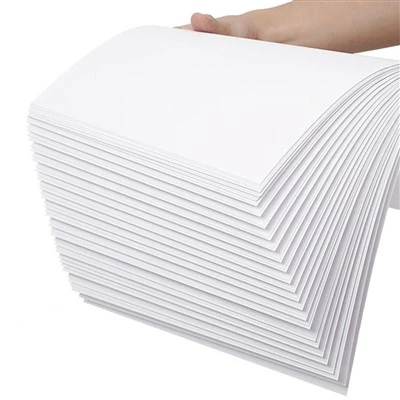
Duplex board is typically composed of two layers of paperboard, hence the name “duplex.” The base layer often consists of a recycled fiberboard, which is made from recovered paper and cardboard. This layer provides strength and bulk to the board. The top layer, on the other hand, is usually a virgin fiber layer, which offers a smooth printing surface and better appearance.
Chemically, the fibers in both layers are mainly composed of cellulose, hemicellulose, and lignin. Cellulose is a long – chain polymer made up of glucose units linked by β – 1,4 – glycosidic bonds. It is the primary structural component of plant cell walls and gives the paperboard its strength and rigidity. Hemicellulose is a shorter – chain polymer that is more branched than cellulose. It helps to bind the cellulose fibers together and contributes to the flexibility of the board. Lignin is a complex, three – dimensional polymer that provides stiffness and resistance to microbial degradation. However, in the manufacturing of duplex board, especially the top layer for better printability and whiteness, the lignin content is often reduced through a chemical pulping process.
2. Moisture Resistance
One of the crucial chemical properties of duplex board is its moisture resistance. The ability to withstand moisture is essential for packaging applications, as exposure to water can cause the board to weaken, warp, or lose its shape. The chemical composition of the fibers plays a role in natural moisture resistance. Cellulose has a certain degree of hydrophilicity, which means it can absorb water. However, the surface treatment of duplex board can significantly enhance its moisture – resistant properties.
Many duplex boards are coated with hydrophobic substances such as wax or polyethylene. Wax coating forms a physical barrier on the surface of the board, preventing water from penetrating the fibers. Polyethylene coating, on the other hand, creates a more durable and continuous barrier. Chemically, polyethylene is a non – polar polymer, while water is a polar molecule. According to the principle of “like dissolves like,” non – polar polyethylene repels polar water molecules, thus providing excellent moisture protection.
3. Chemical Resistance
In addition to moisture resistance, duplex board also has a certain level of chemical resistance. This property is particularly important for packaging products that may come into contact with various chemicals, such as food products with acidic or alkaline components, or industrial products with mild chemical solutions.
The cellulose and hemicellulose in the board are relatively stable under normal conditions. They are resistant to many common chemicals at low concentrations. For example, they can withstand weak acids and alkalis to a certain extent. However, strong acids and alkalis can break the glycosidic bonds in cellulose and hydrate hemicellulose, leading to the degradation of the board.
To improve chemical resistance, some duplex boards may be treated with chemical additives. These additives can react with the surface of the fibers, forming a protective layer that is more resistant to chemical attack. For instance, some coatings can react with the acidic or alkaline substances to neutralize them before they damage the board.
4. Printability and Coating Chemistry
The printability of duplex board is another aspect influenced by its chemical properties. The top layer of virgin fibers provides a smooth and receptive surface for printing. The chemical nature of the fibers, especially their surface charge and porosity, affects the adhesion of inks.
Cellulose fibers have a negative surface charge in an aqueous environment. This allows them to attract positively charged ink particles through electrostatic interactions, promoting good ink adhesion. Additionally, the porosity of the fibers is crucial. A certain level of porosity allows the ink to penetrate and spread evenly on the surface, resulting in clear and sharp printed images.
Coatings used on duplex board also play a vital role in printability. Calcium carbonate is a common coating material. Chemically, it is a white, insoluble solid. When applied as a coating, it fills the pores of the fibers, creating a smoother surface and improving the ink – holding capacity. Other coatings may contain binders, such as starch or synthetic polymers. These binders help to hold the coating particles together and adhere them to the fiber surface, enhancing the overall print quality.
5. Biodegradability
As environmental concerns become more prominent, the biodegradability of packaging materials is an important consideration. Duplex board, being mainly composed of natural fibers, is biodegradable. Cellulose, hemicellulose, and lignin can be broken down by microorganisms such as bacteria and fungi in the environment.
The biodegradation process of cellulose involves the action of cellulase enzymes produced by these microorganisms. These enzymes break the β – 1,4 – glycosidic bonds in cellulose, converting it into glucose monomers. Glucose can then be further metabolized by the microorganisms for energy. Hemicellulose and lignin are also gradually decomposed by specific enzymes, although the degradation of lignin is a more complex and slower process.
However, the biodegradability of duplex board can be affected by its surface treatments. For example, wax – coated or polyethylene – coated boards may take longer to biodegrade because the coatings act as a physical barrier, preventing the microorganisms from accessing the fibers.
6. Impact on Packaging Applications
The chemical properties of duplex board have a direct impact on its suitability for different packaging applications. For food packaging, the moisture and chemical resistance are of utmost importance. The ability to protect food from moisture and prevent chemical contamination ensures the safety and quality of the food. The printability of the board allows for attractive labeling and branding, which is essential for product marketing.
In the consumer goods industry, the aesthetic appeal provided by the smooth printing surface of duplex board is highly valued. The board can be printed with high – quality images and graphics, enhancing the product’s shelf appeal. At the same time, its strength and durability, which are related to its chemical composition, ensure that the packaging can withstand the rigors of transportation and handling.
In industrial packaging, the chemical resistance of duplex board is crucial for protecting products from chemical damage. The biodegradability of the board also makes it an environmentally friendly choice, which is increasingly important in today’s sustainable business practices.
Conclusion and Call to Action
Understanding the chemical properties of duplex board is essential for both manufacturers and end – users. These properties determine the performance, functionality, and environmental impact of the board. As a supplier of duplex board, I am committed to providing high – quality products that meet the diverse needs of our customers.
Kraft Paper Whether you are in the food industry, consumer goods sector, or industrial field, our duplex board offers a reliable and sustainable packaging solution. If you are interested in learning more about our duplex board products or would like to discuss your specific packaging requirements, I encourage you to reach out to us. We are ready to engage in in – depth discussions and provide you with the best packaging solutions tailored to your needs.
References
- Hubbe, M. A., & Rojas, O. J. (Eds.). (2008). Paper and Biomaterials: Processing, Properties and Performance. Springer.
- Casey, J. P. (1980). Pulp and Paper: Chemistry and Chemical Technology. Wiley – Interscience.
- Rowell, R. M., Young, R. A., & Rowell, J. S. (2005). Handbook of Wood Chemistry and Wood Composites. CRC Press.
Dongguan Banyan Material Co., Ltd.
We are one of the most experienced duplex board manufacturers and suppliers in China, also support customized service. Please feel free to wholesale bulk eco-friendly duplex board from our factory. Quality products and reasonable price are available.
Address: NO.167, Meijing West Road, Songmushan, Dalang Town, Dongguan City, Guangdong Province, China
E-mail: Sales_chris@yspaper.com
WebSite: https://www.paperyoung.com/
