As a leading supplier of non-woven wheels, I often get asked a crucial question by customers in the fiberglass industry: "Can I use a non-woven wheel on fiberglass?" This blog post aims to delve deep into this query, exploring the scientific aspects, advantages, limitations, and best practices of using non-woven wheels on fiberglass. Non-Woven Wheel
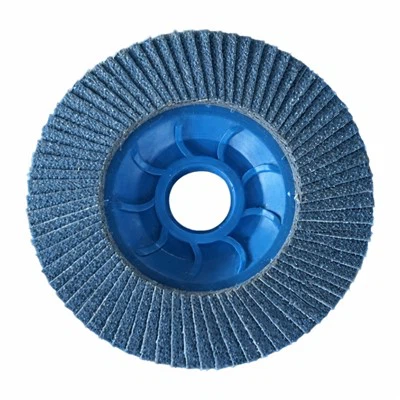
Understanding Fiberglass and Non-Woven Wheels
Fiberglass is a composite material made of fine glass fibers and a resin matrix. It is known for its high strength, lightweight, and corrosion resistance, making it a popular choice in various industries such as automotive, aerospace, construction, and marine. However, fiberglass surfaces often require finishing processes to enhance their appearance and performance.
On the other hand, non-woven wheels are made of synthetic fibers bonded together with a resin. They are available in different densities, grit sizes, and shapes, and are commonly used for surface finishing, deburring, and polishing of various materials, including metals, plastics, and composites.
Compatibility of Non-Woven Wheels with Fiberglass
The short answer is yes, you can use a non-woven wheel on fiberglass. Non-woven wheels offer several advantages when used on fiberglass surfaces:
1. Gentle Abrasion
Non-woven wheels provide a more gentle and uniform abrasion compared to traditional abrasive wheels. This is crucial when working with fiberglass, as excessive abrasion can damage the delicate glass fibers and the resin matrix. The non-woven structure allows the wheel to conform to the shape of the surface, reducing the risk of scratching or gouging.
2. Consistent Finishing
Non-woven wheels can produce a consistent and high-quality finish on fiberglass surfaces. They are capable of removing surface imperfections, such as scratches, tool marks, and oxidation, while leaving a smooth and even finish. This is particularly important for applications where aesthetics are a key consideration, such as in the automotive and marine industries.
3. Versatility
Non-woven wheels are available in a wide range of grit sizes, from coarse to fine. This allows you to choose the appropriate wheel for the specific finishing task, whether it is rough grinding, intermediate sanding, or final polishing. You can also use different types of non-woven wheels, such as flap wheels, conical wheels, and cylindrical wheels, depending on the shape and size of the fiberglass part.
Limitations and Considerations
While non-woven wheels are generally suitable for use on fiberglass, there are some limitations and considerations to keep in mind:
1. Heat Generation
During the finishing process, non-woven wheels can generate heat due to friction. Excessive heat can cause the resin in the fiberglass to soften or even melt, leading to surface damage. To prevent this, it is important to use the appropriate wheel speed and pressure, and to apply coolant or lubricant if necessary.
2. Wheel Selection
Choosing the right non-woven wheel for fiberglass is crucial. You need to consider factors such as the grit size, density, and bond type of the wheel, as well as the specific requirements of the finishing task. For example, a coarse grit wheel may be suitable for removing heavy surface imperfections, while a fine grit wheel is better for final polishing.
3. Safety Precautions
When using non-woven wheels on fiberglass, it is important to take appropriate safety precautions. Wear protective equipment, such as safety glasses, gloves, and a dust mask, to prevent injury from flying debris and dust. Make sure the work area is well-ventilated to avoid inhaling harmful fumes.
Best Practices for Using Non-Woven Wheels on Fiberglass
To achieve the best results when using non-woven wheels on fiberglass, follow these best practices:
1. Surface Preparation
Before using a non-woven wheel, make sure the fiberglass surface is clean and free of dirt, grease, and other contaminants. This will ensure that the wheel can work effectively and produce a consistent finish. You can use a cleaning solution or a degreaser to clean the surface, and then dry it thoroughly.
2. Wheel Installation
Install the non-woven wheel correctly on the grinding or polishing machine. Make sure the wheel is securely mounted and balanced to prevent vibration and uneven wear. Follow the manufacturer’s instructions for wheel installation and use.
3. Wheel Speed and Pressure
Use the appropriate wheel speed and pressure for the specific finishing task. Too high a speed or pressure can cause excessive heat generation and surface damage, while too low a speed or pressure may result in inefficient finishing. Start with a low speed and gradually increase it as needed, and apply light pressure to the wheel.
4. Coolant or Lubricant
If necessary, apply coolant or lubricant to the fiberglass surface during the finishing process. This will help to reduce heat generation and friction, and improve the performance of the non-woven wheel. You can use water, oil, or a specialized coolant or lubricant, depending on the type of wheel and the finishing task.
5. Finishing Sequence
Follow a proper finishing sequence when using non-woven wheels on fiberglass. Start with a coarse grit wheel to remove heavy surface imperfections, and then gradually move to finer grit wheels for intermediate sanding and final polishing. This will ensure that the surface is smooth and even, and that the final finish is of high quality.
Conclusion
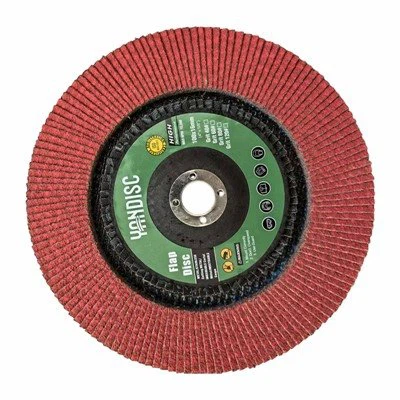
In conclusion, non-woven wheels can be used effectively on fiberglass surfaces to achieve a high-quality finish. They offer several advantages, such as gentle abrasion, consistent finishing, and versatility. However, it is important to consider the limitations and take appropriate precautions when using non-woven wheels on fiberglass. By following the best practices outlined in this blog post, you can ensure that the finishing process is safe, efficient, and produces the desired results.
Flap Disc If you are interested in purchasing non-woven wheels for your fiberglass finishing needs, please feel free to contact us. We are a leading supplier of non-woven wheels, offering a wide range of products and services to meet your specific requirements. Our team of experts is always available to provide you with technical support and advice. Contact us today to discuss your needs and get a quote.
References
- "Fiberglass Reinforced Plastics: Manufacturing, Properties, and Applications" by S. M. Sapkale, S. S. Mahajan, and A. J. Patil
- "Non-Woven Abrasives: Principles and Applications" by R. K. Singh and S. K. Singh
- "Surface Finishing of Composites" by R. K. Mallick
Henan Yandisc Hardware Tools Co., Ltd.
As one of the most professional non-woven wheel manufacturers and suppliers in China, our products have good reputation in the market. Please feel free to wholesale high quality non-woven wheel made in China here from our factory. Customized orders are welcome.
Address: Zinan Road, High-tech Industrial Development Zone, Zhengzhou, Henan, China
E-mail: info@yandisc.com
WebSite: https://www.yandisc.com/
