Hey everyone, it’s Jake from the RO water system supply team—figured I’d dive into a question I get nonstop at trade shows, over calls, and even from random DMs: Can a RO water system actually work for commercial use? I used to work for a local coffee shop as a part-timer back in college, so I know firsthand how random water issues can sink a business way faster than a long line at the drive-thru. Remember when our espresso machine got clogged for like 3 days because of hard water? Total nightmare—we lost regulars and had to drop like $800 on repairs. That’s exactly why I started selling RO systems, but a lot of folks still think RO is just for under-sink home units, not for cafes, restaurants, breweries, or even small manufacturing shops. Today I’m breaking this down straight, no fancy jargon, just real talk from someone who’s actually installed these systems in places like my cousin’s taco spot and a local craft brewery. RO Water System

First off, let’s get one thing clear: commercial RO isn’t the same as that little 5-gallon home unit you buy at the grocery store. The core tech is similar—semipermeable membrane that pulls out contaminants, dissolved solids, heavy metals, even weird organic gunk that tap water carries—but commercial systems are built to run 10, 12, even 16 hours a day, not just when you remember to replace the filter. Last year I installed a system for a bakery that makes artisanal sourdough; their old tap water had a weird chlorine aftertaste that messed with the yeast, so their loaves were coming out flat and off-flavor. Switching to RO fixed that instantly—now their crusts are crisp, their starter is happy, and they added a $1.20 “house-made water sourdough” option that sells like hotcakes. That’s the proof right there, not some lab report I read online.
Wait, but hold on—people always bring up two big red flags: cost and waste. Let’s tackle waste first because that’s the number one complaint I hear. Old-school RO systems do produce some wastewater, like 3 to 4 gallons for every 1 gallon of filtered water. But modern commercial RO systems? We install ones with an automated recycling valve that reuses that wastewater for things like floor mopping, restroom flushing, and even cleaning equipment. The bakery I mentioned? They now reuse 70% of their RO wastewater, so their actual water bill barely went up—only a $15 increase a month, which is nothing compared to saving $200/month on espresso machine repairs. Yeah, there’s still some small waste, but it’s way less than you think, and we can even adjust the system to match a business’s exact usage, so if a cafe only runs 8 hours a day, we dial back the waste flow to minimize it.
What about cost? Commercial RO systems aren’t cheap upfront—usually between $1,500 and $5,000 depending on size—but let’s do the math real quick. Take a small coffee shop that uses 50 gallons of filtered water a day for lattes, drip coffee, and pastries. Their old tap water: let’s say it has high calcium and magnesium (hard water) plus chlorine. Every 6 months, their espresso machine’s steam wand clogs, and they have to pay a tech $250 to unclog it and replace the steam tip. That’s $500 a year. Plus, their coffee tastes off, so they lose maybe 1 customer a day—about $1,200 a year in lost revenue. Add that up: $1,700 a year. A commercial RO system for 50 gallons a day runs around $2,000 upfront, but it pays for itself in the first 18 months. Even better, we offer maintenance plans for like $50 a month, which is way cheaper than unexpected repairs. For breweries, it’s even bigger—brewing beer needs super consistent water, and off-flavors from tap water can ruin an entire batch (that’s $1,000+ down the drain). I installed a system for a local craft brewery that does 5 barrels a week, and they told me their batch consistency went up 40% after switching to RO, so they stopped having to dump bad batches. That’s not a small win.
But wait—are there cases where RO isn’t right? Yeah, absolutely. If you’re a tiny mobile food cart that only uses 10 gallons of water a day, a countertop RO unit is fine, no need for a big commercial system. If you’re in an area with super soft tap water (like parts of Oregon or Minnesota), you might not need RO at all—though I still recommend testing your water first, because even soft water can have heavy metals or weird chemicals that mess with food/drinks. Also, RO systems don’t remove everything—they don’t filter out ammonia or some tiny dissolved organics, which is why we always recommend pairing them with a post-carbon filter. That’s something we include in every system we sell, so customers don’t get that weird “plastic taste” some people complain about with cheap RO units.
Another thing people don’t talk about: compliance. A lot of commercial businesses have to follow health codes from the local health department, especially if they’re in food service. RO systems remove bacteria, cysts like giardia, and other contaminants that health inspectors look for. I had a client last year who failed their first health inspection because their tap water had high lead levels—they were so stressed, thinking they’d have to close. We installed an RO system that removed the lead, and they passed their next inspection with no issues. That’s a huge relief for small business owners who can’t afford to shut down for code violations.
Let’s get real, though—no system is perfect. I’ve had a few customers call me at 2 a.m. because their RO filter alarm went off, usually because they forgot to order a replacement. That’s why we offer 24/7 support, same-day filter delivery, and even automated filter reminder texts. I remember when I first started, I’d get calls at all hours, but now we have a team on call for emergency issues, because a broken RO system at 7 a.m. on a Saturday (the busiest time for cafes) is a disaster. We also do a free water test for every potential customer—no pressure, no sales pitch—we just come out, test their tap water, tell them exactly what’s in it, how RO would help, and what the cost would be. That’s why I think a lot of people trust us—we’re not here to push a system someone doesn’t need.
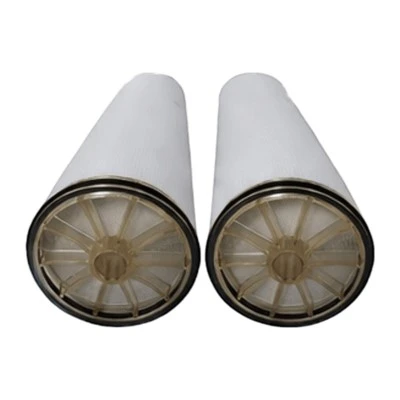
Wait, let’s circle back to that original question: Can a RO water system be used for commercial purposes? The short answer is hell yeah. It’s not just for home use anymore. I’ve installed them in taco shops, pizza places, breweries, distilleries, even a small pharmaceutical lab that needed pure water for testing. Every single one of those clients told me it’s one of the best investments they made for their business, not just a fancy add-on. The key is getting the right size system, pairing it with the right filters, and having a supplier that actually follows up, not just sells you a unit and disappears.
Nanofiltration Membrane If you’re a commercial business owner—whether you run a cafe, restaurant, brewery, bakery, or any place that uses water for food, drinks, or production—don’t write off RO because you think it’s too expensive or wasteful. The benefits far outweigh the costs, especially when you find a good system (like the ones we sell) that’s built for daily use, not just occasional home use. If you’re curious about whether RO would work for your business, or you want a free water test, hit us up to connect and talk through your specific needs. No sales pitch, no pressure—just real info from someone who’s been in your shoes, knows the pain points, and has installed these systems for hundreds of local businesses.
References
- American Water Works Association. (2020). Commercial Reverse Osmosis Systems for Food Service Applications. AWWA Press.
- U.S. Food and Drug Administration. (2022). Water Standards for Retail Food Establishments. FDA.gov.
- National Sanitation Foundation. (2021). NSF/ANSI Standard 58: Reverse Osmosis Drinking Water Treatment Systems. NSF International.
- Water Quality Association. (2019). WQA Guidelines for Commercial RO System Installation and Maintenance. WQA.
Fujian Huamo Technology Co., Ltd.
Fujian Huamo Technology Co., Ltd. is one of the most professional ro water system manufacturers and suppliers in China, featured by quality products and good service. Please rest assured to wholesale the best ro water system made in China here and get price list from our factory. Contact us for custom service and OEM service.
Address: No.6 Hengtong Rd, Shanmei Village, Xiamei Town, Nanan City, Fujian Province, China
E-mail: info@huaromembrane.com
WebSite: https://www.hmromembrane.com/
